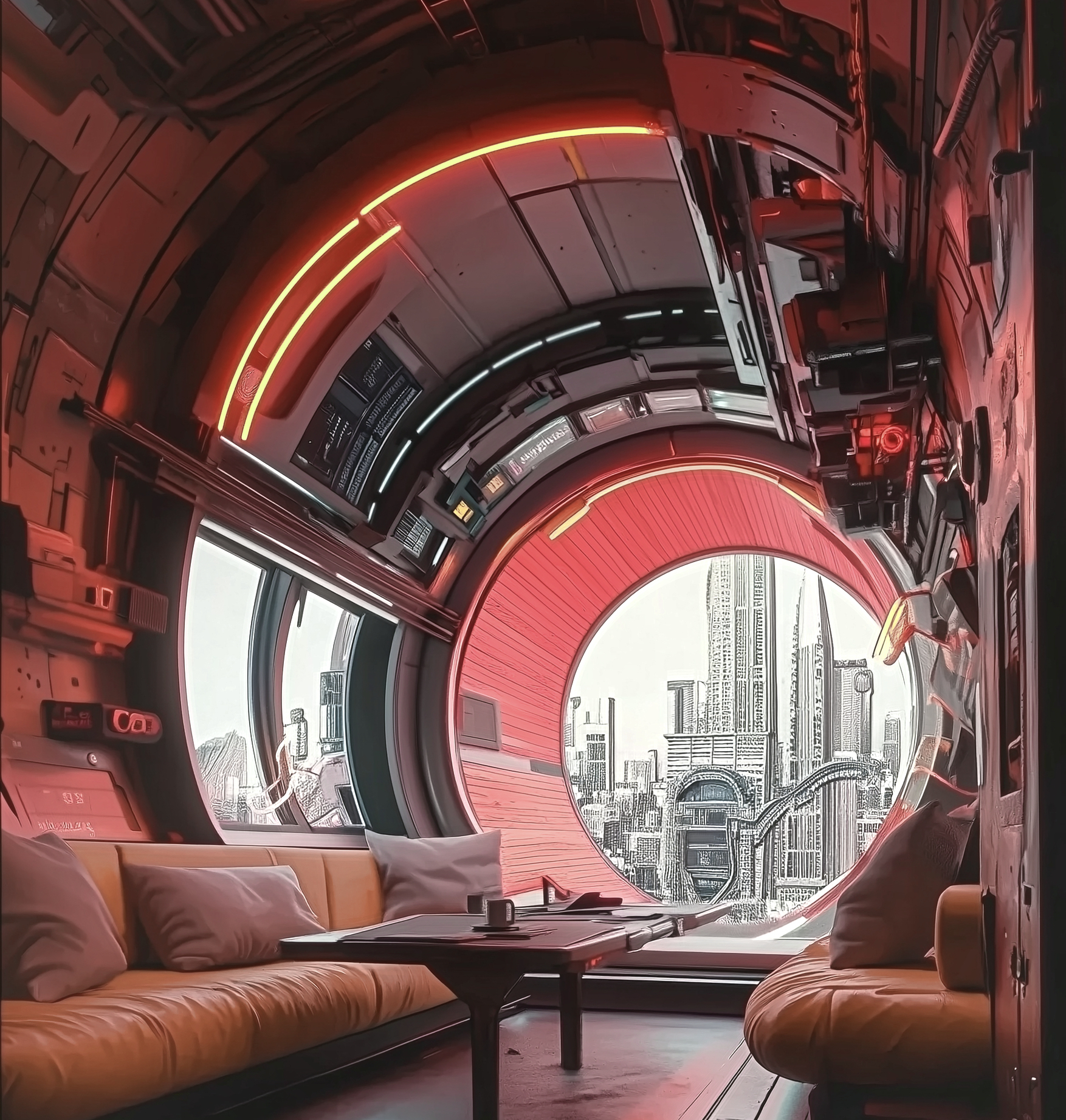
The nano-cells shift texture with the weather, heal themselves when damaged, and grow in response to need. Half-organic, half-synthetic, they form the adaptive nanoparticles that sense the environment, learn from it, and reshape accordingly. Living scapes are no longer planned and constructed—they’re cultivated. What used to be static is now alive, and what was once separate—nature and machine—exists as one.
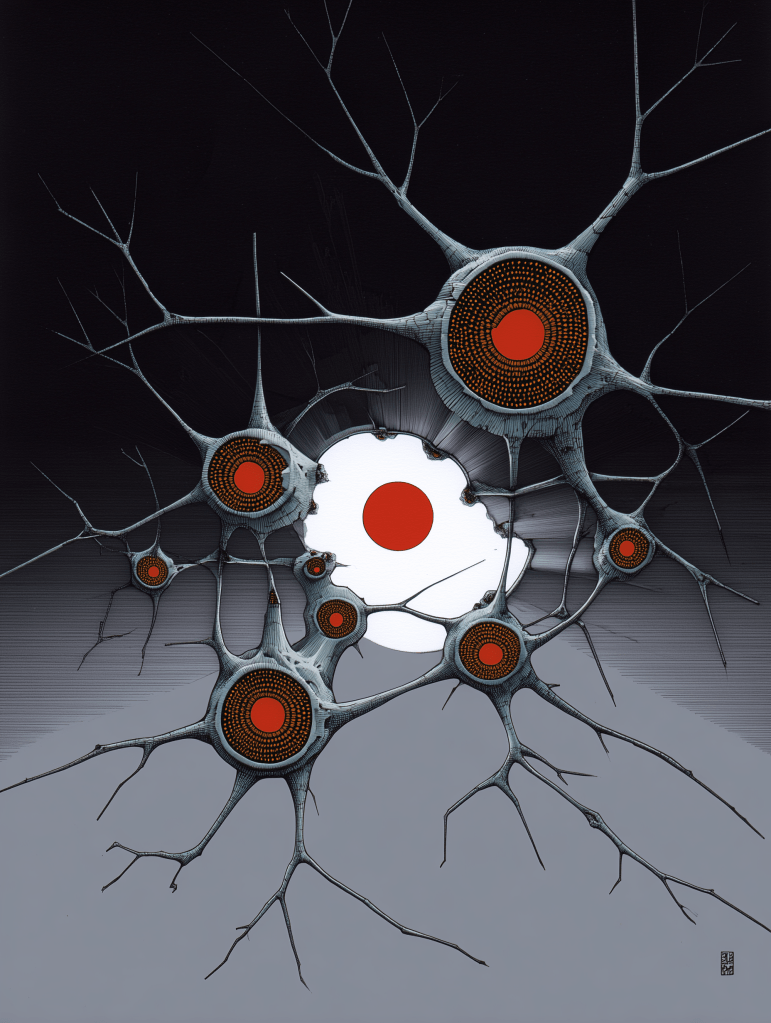
The nano-cells shift texture with the weather, heal themselves when damaged, and grow in response to need. These aren’t passive materials—they’re active agents. Built from adaptive nanoparticles, each cell holds a kind of environmental memory. They sense temperature, humidity, pressure, and motion, reacting not just to survive but to evolve. The line between material and organism begins to blur here. What we once called infrastructure now behaves more like an immune system.
Half-organic, half-synthetic, these nano-structures don’t rely on traditional construction. They assemble themselves, drawing from localized data and environmental cues. They grow where they’re needed, retract where they’re not. They self-correct. They age, but they don’t decay—they transform. In cities built from nano-cells, scaffolding is obsolete. Maintenance crews are minimal. Instead, the built environment is in constant dialogue with its surroundings, always adjusting, always alive.

The concept of a “designed” space has shifted. Living scapes aren’t imposed from above by planners—they emerge from the interactions between nano-cells, people, climate, and time. A building on the coast thickens its skin in salty air. A walkway in a crowded district widens itself at rush hour. Every element is context-aware, every surface tuned to its use. Urban environments no longer obey fixed blueprints—they follow rhythms, seasons, and behavior.
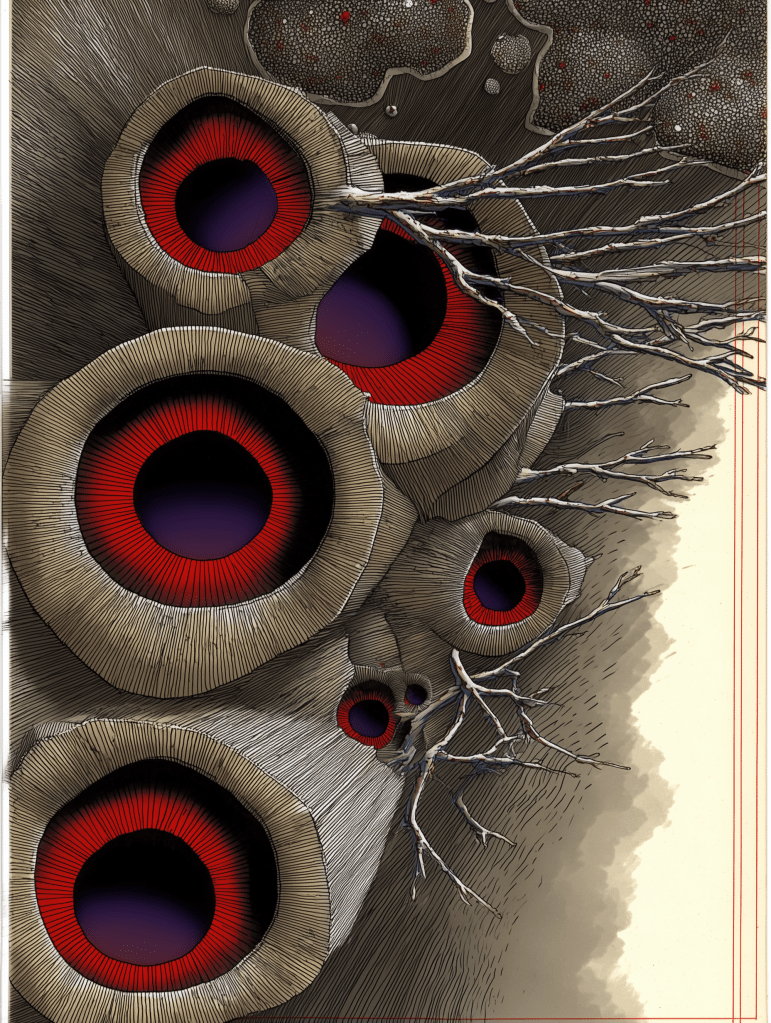
What used to be static is now alive. What was once divided—nature and machine—has merged into a seamless whole. This isn’t the future of smart cities as imagined a decade ago. It’s not just automation or sensors. It’s a material revolution. A new kind of ecology. One that doesn’t simulate life—but actually becomes it.
 ARDEAI
Leave a comment